
The late-quote paradox: why response speed decides who wins the contract
- Category:
- Innovation
- Date:
- September 4, 2026
- Reading:
- 2 min
In the commercial work of an elevator company (whether condominium maintenance, an extraordinary repair or a modernisation proposal) competition is not only about price. It is about time.

A building manager or property owner who asks for a quote for a fault or a contract renewal judges the company by how precise and how fast the offer is. Answering after three or four days because the office has to recover component prices from old paper lists means, in most cases, handing the client to the faster competitor.
The risk of estimates by feel
The other side of rushing quotes is inaccurate costs. To send a proposal quickly, people fall back on lump sums based on experience, without checking current manufacturer purchase prices or the real cost of labour hours on site.
The result of that approach only shows when the work is finished:
- the offer is accepted, but actual margins turn out to be zero or negative;
- real costs incurred are never compared with the original quote to see where the gap appeared.
Join quote speed with analytical actual-cost control
To speed up sales without harming profitability you need a guided tool that draws directly on centralised price lists and cost history.
Being able to generate a commercial proposal in a few minutes, send it as a traceable PDF and, once accepted, turn it in one explicit step into order confirmations or live job sites, gives the business maximum reactivity. When the work is then closed by comparing quote and actuals analytically, management gets hard data to protect the margin of every future contract.
How many maintenance contracts or modernisation jobs have you lost in the last six months only because a competitor sent the offer forty-eight hours before you? And of those you won, how many kept exactly the margin you assumed at the desk?
Related articles
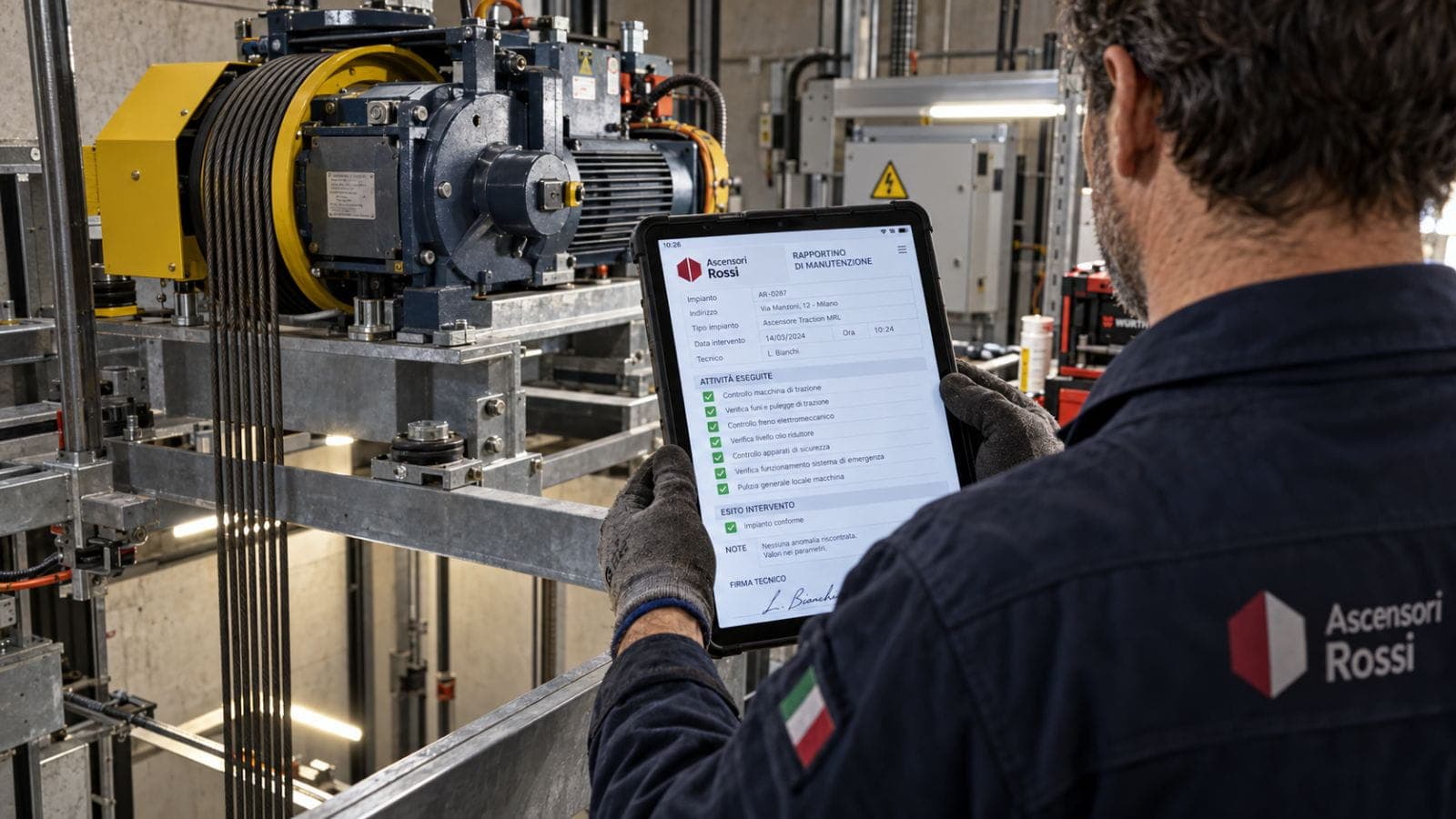
Innovation
No more loose sheets in the van: how a digital job report improves the technician's work
Handwritten reports, greasy signatures and handing papers in at the office slow the field and force admin to retype. Installation history belongs on the tablet, not on the seats.
Read more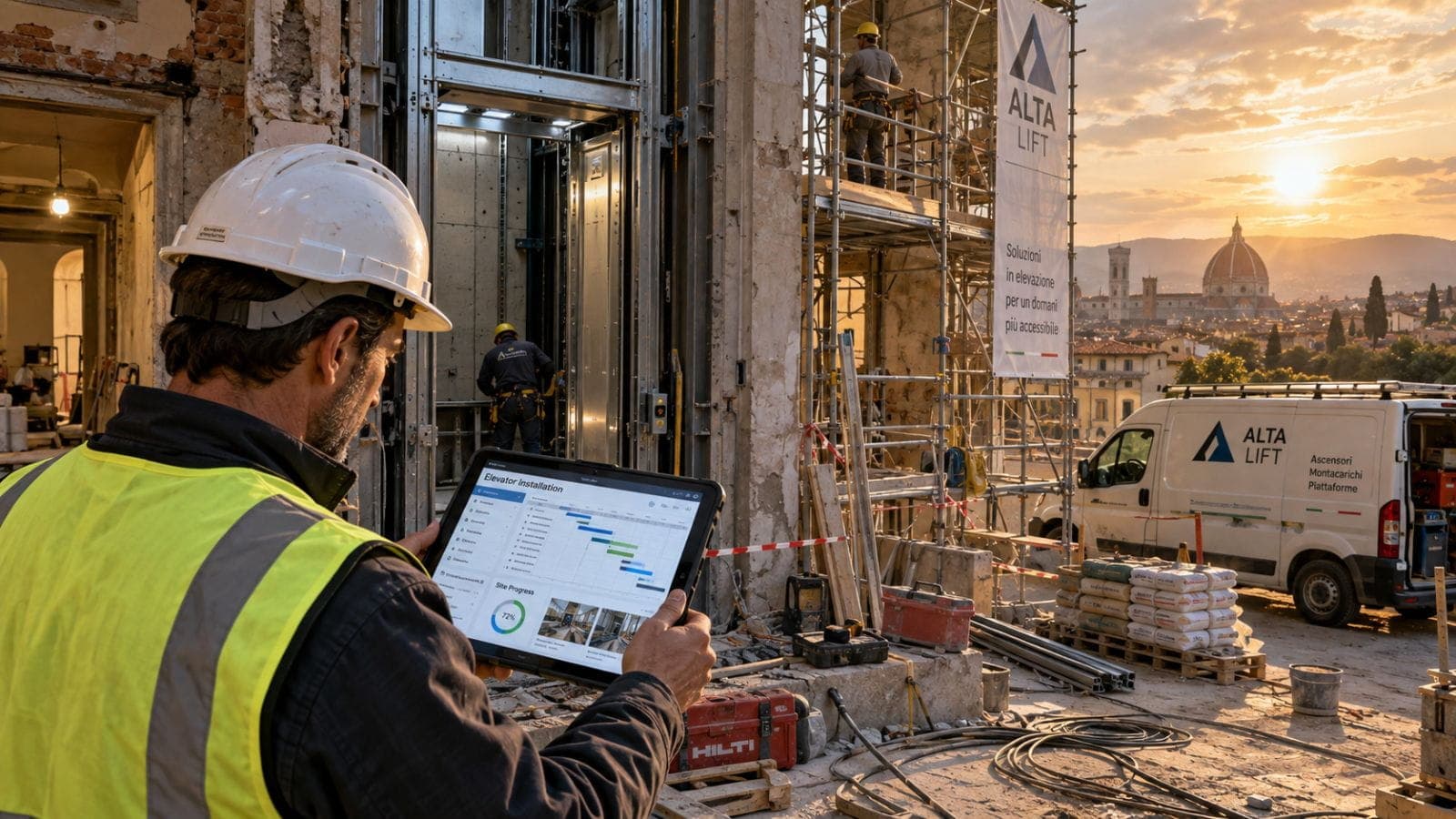
Innovation
Installation sites and major modernisations: how to stop hidden costs eating the profit
New installations and major upgrades are the highest-value jobs, and the highest financial risk. Without a shared view of hours, equipment and fleet, invisible costs pile up before handover.
Read more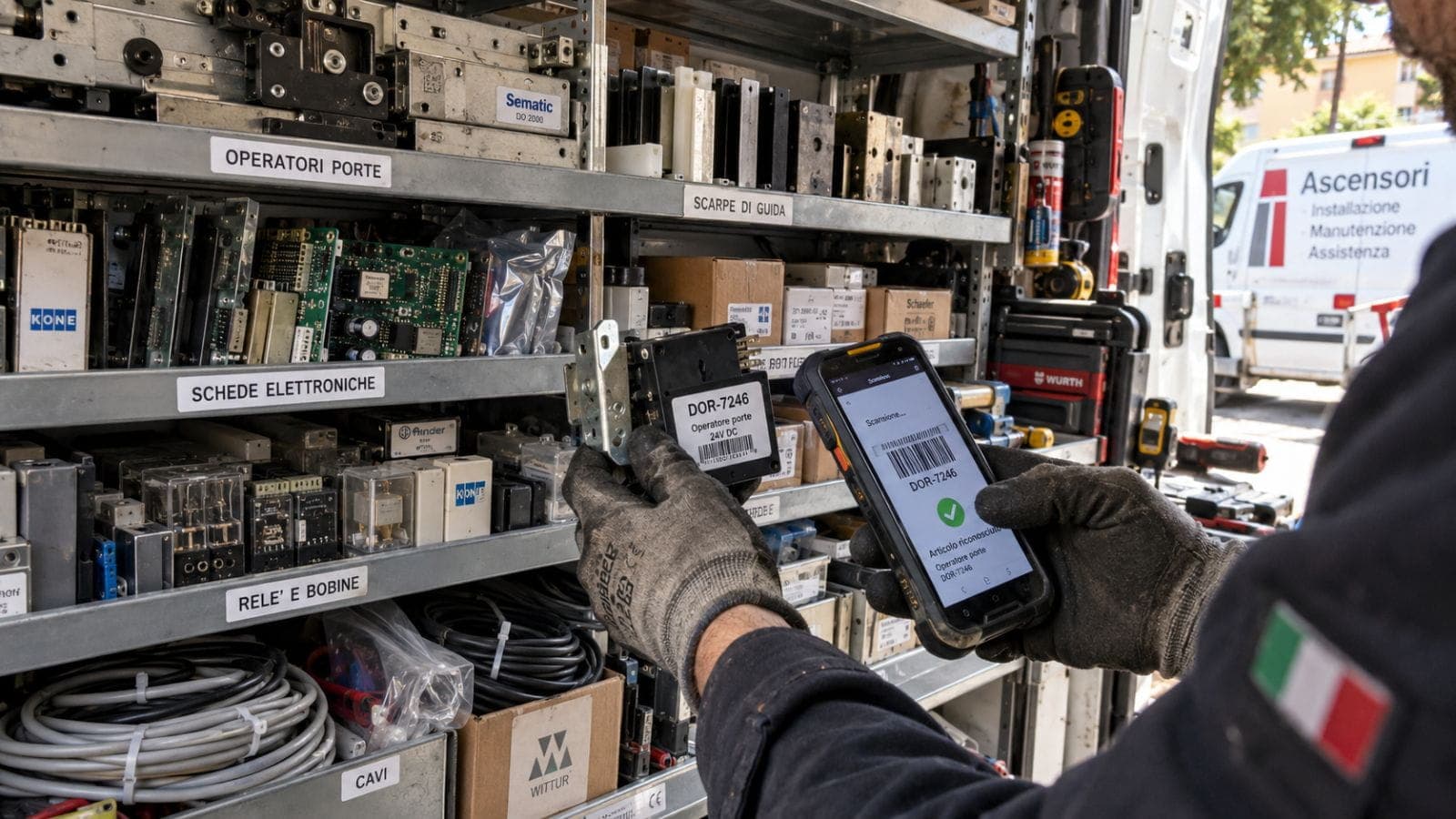
Trends
The invisible margin leak: what an untracked spare on the van really costs you
Workload is high, contracts are honoured, yet margin erodes. The leak often sits between central warehouse and vans, on a spare never linked to the installation.
Read more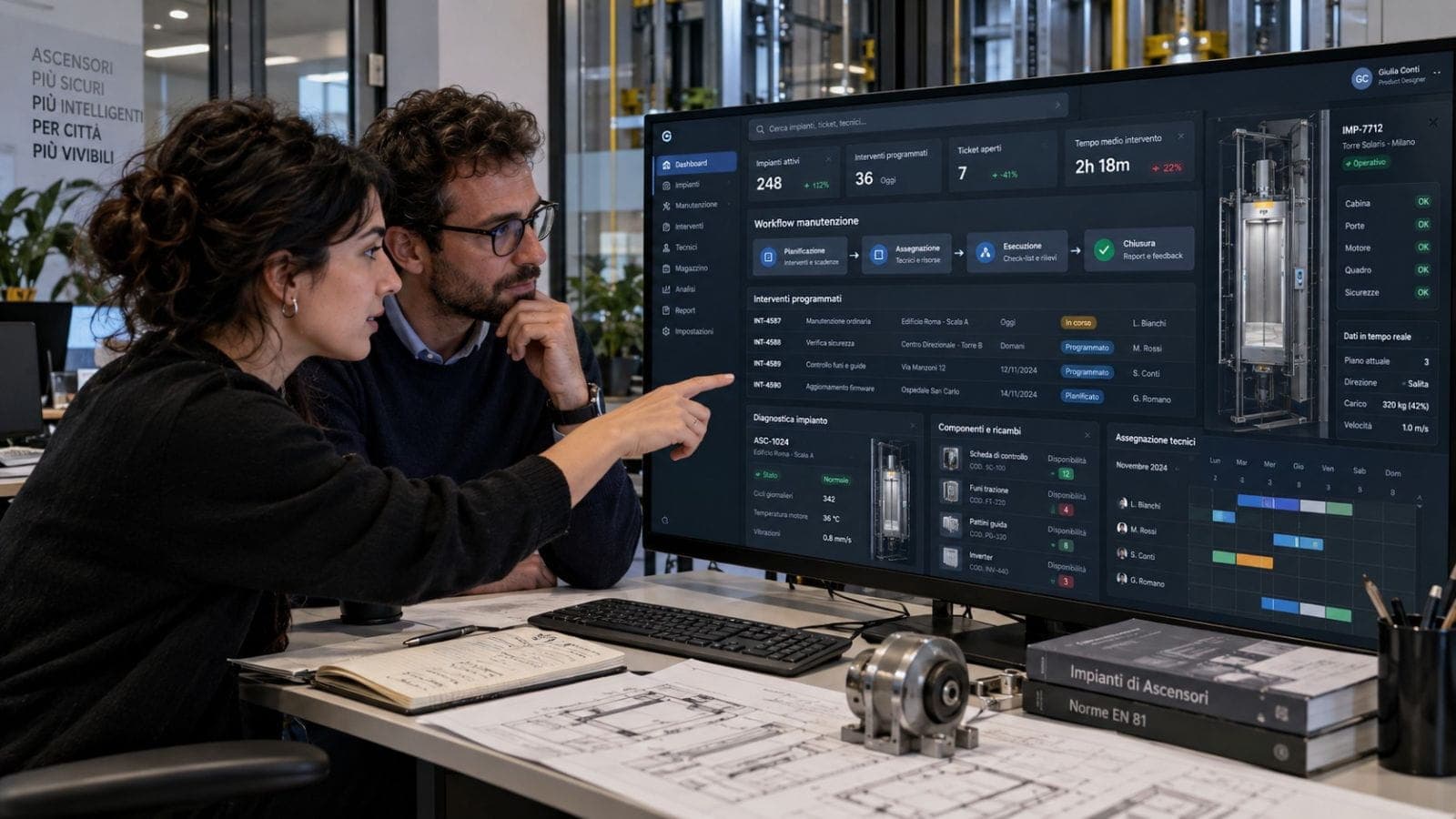
Elevops
Why a "standard" ERP will never work for an elevator company (and the made-to-measure answer)
Generic software imposes abstract flows and keeps Excel alive. Lifts need rules, 24/7 emergencies and serial numbers: if the system is not born around those flows, it becomes an obstacle.
Read more
Trends
Transparency and retention: how digital reporting changes the relationship with building managers
A building manager no longer wants only a technician when the lift stops. They want proof of maintenance, clear documents and a partner who can stand in front of the assembly.
Read more
Regulations
Civil and criminal liability in an elevator company: the hidden cost of a missed inspection
A biennial inspection or a medical check left on a spreadsheet is not paperwork. For the owner it is the line between staying in business and personal civil and criminal liability.
Read more